 CNY
CNY




Overview
Heart Rate & SpO2 Sensor Module — High-Precision Detection | Direct Heart Rate & SpO2 Output | Multi-Platform Compatible
-
Low power consumption design
-
Built-in integrated algorithm microcontroller
-
I2C/UART dual communication interface
-
Companion host software included
-
Complete development example code provided
-
PPG photoplethysmography measurement
-
Equipped with MAX30102 high-precision heart rate & SpO2 chip

Key Features
Heart Rate & SpO2 Sensor Module — High-Precision Detection | Direct Heart Rate & SpO2 Output | Multi-Platform Compatible
Introduction
The Heart Rate & SpO2 Sensor Module integrates Maxim’s MAX30102 heart rate and blood oxygen chip with a built-in algorithm microcontroller, enabling direct output of heart rate and SpO2 values without requiring additional algorithm development. This significantly reduces sensor integration complexity and conserves host MCU resources.
Using PPG (PhotoPlethysmoGraphy) optical measurement, the onboard microcontroller processes raw sensor data to deliver accurate heart rate and SpO2 readings, output via I2C or UART interface. The module includes companion host software for real-time data monitoring and logging via PC, making it ideal for wearables, home health monitoring, long-term physiological tracking, and embedded health projects — an excellent choice for health-oriented embedded development.
-
Genuine MAX30102 Chip
-
Built-in Algorithm Microcontroller
-
PPG Optical Detection
-
I2C/UART Dual Interface
-
Host Software Data Monitoring
-
Multi-Platform Compatible
Product Advantages
-
01 High-Precision Detection, Stable & Reliable
Equipped with a genuine MAX30102 high-precision heart rate and SpO2 chip and professional physiological parameter detection algorithms, the module delivers stable and reliable readings suitable for various consumer-grade health monitoring scenarios.
-
02 Built-in Algorithm Microcontroller
The onboard microcontroller processes raw sensor data to compute heart rate and SpO2 values, then outputs results via I2C or UART interface. No complex signal processing or algorithm development is required, dramatically reducing development difficulty and time-to-market.
-
03 PPG Optical Detection, Non-Invasive Measurement
Utilizes PhotoPlethysmoGraphy (PPG) for non-invasive detection — no blood sampling or invasive procedures required. Simply place the fingertip against the sensor detection area and secure with the included strap, making it ideal for long-term continuous monitoring applications.
-
04 Companion Host Software for Easy Debugging
Dedicated host software is provided — connect the module to your PC via a USB-to-serial adapter to view real-time detection data, enabling convenient debugging and data recording.
-
05 Dual Communication Interface, Flexible Adaptation
Supports both I2C and UART communication interfaces simultaneously. I2C address is fixed at 0x57, and the serial baud rate defaults to 9600. Select the communication method that best fits your project requirements and hardware resources.
MAX30102 Health Sensor Application Scenarios
-
Smart Wearable Devices
-
Sports & Fitness Equipment
-
Home Health Monitoring
-
Embedded Education & Lab Experiments
Heart Rate Sensor Hardware Layout

Heart Rate & SpO2 Sensor Specifications

|
Chip Model |
MAX30102 (Maxim) |
|
Supply Voltage |
DC 3.3V–5V |
|
Operating Current |
<15mA |
|
Communication Interface |
I2C, UART Serial |
|
I2C Address |
0x57 |
|
Serial Baud Rate |
Default 9600 |
|
Operating Temperature Range |
-40°C ~ 85°C |
|
Product Dimensions |
25.5mm × 32mm |
|
Detection Method |
PPG (PhotoPlethysmoGraphy) |
|
Output Parameters |
Heart Rate Value, SpO2 (Blood Oxygen Saturation) Value |
MAX30102 Heart Rate Sensor Part List
|
1 — Gravity: MAX30102 Heart Rate & SpO2 Sensor V2.0 |
1 pc (Main Module) |
|
2 — Gravity-4P I2C/UART Sensor Cable |
1 pc (For Communication Connection) |
|
3 — Fixing Strap |
1 pc (For Securing Finger to Sensor) |
Specifications
Frequently Asked Questions
What is the Heart Rate & SpO2 Sensor Module?
Where can I find technical documentation and open-source files for the Heart Rate & SpO2 Sensor Module?
What platforms and frameworks is the Heart Rate & SpO2 Sensor Module compatible with?
How can I get technical support for the Heart Rate & SpO2 Sensor Module?
No Video
Other things you might like

2-DOF Servo Pan-Tilt Unit

3D RealSense Depth Camera

4-in-1 KVM Switch HUB | TTL Serial Bluetooth Docking Station

4K HD HDMI Capture Card


79° IMX219 CSI Camera
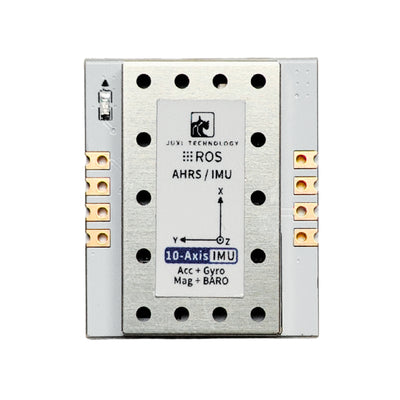

AHRS Attitude Heading Angle Sensor IMU Module for Robotics Navigation
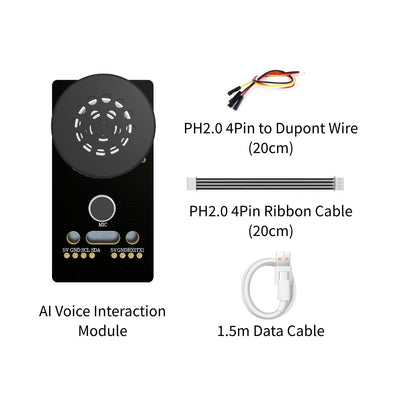

AI Voice Recognition Module — Keyword Wake-Up, Bilingual Speech, 110+ Commands


AmazingHand Open Source Bionic Robotic Hand for Research
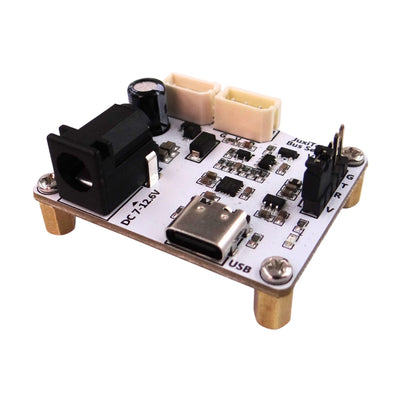

Bus Servo Driver Board


Driver-Free USB 2.0 Sound Card with Onboard Mic for AI Voice Interaction
Read technical documentation, schematics, and research papers on wiki.juxitech.com